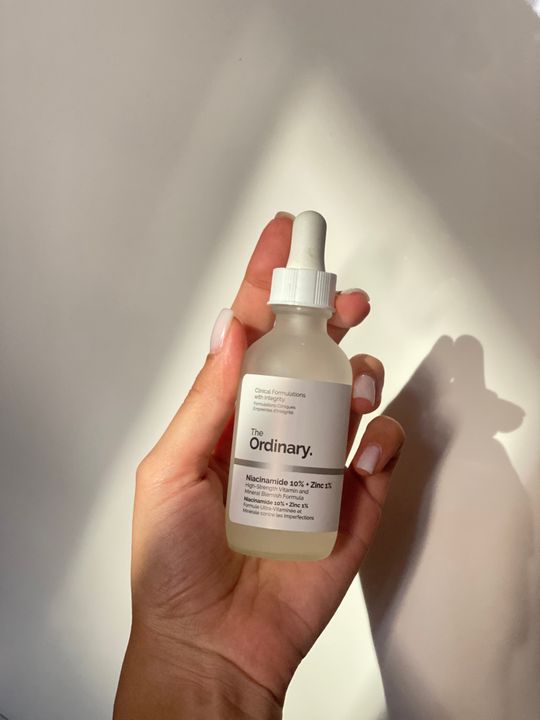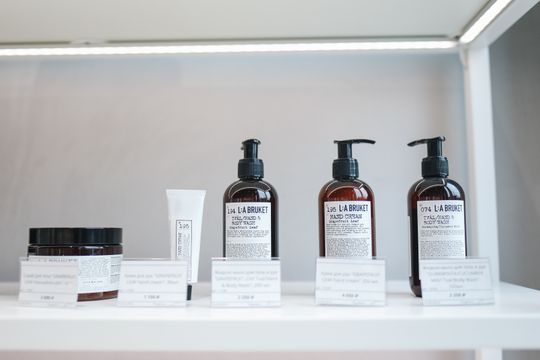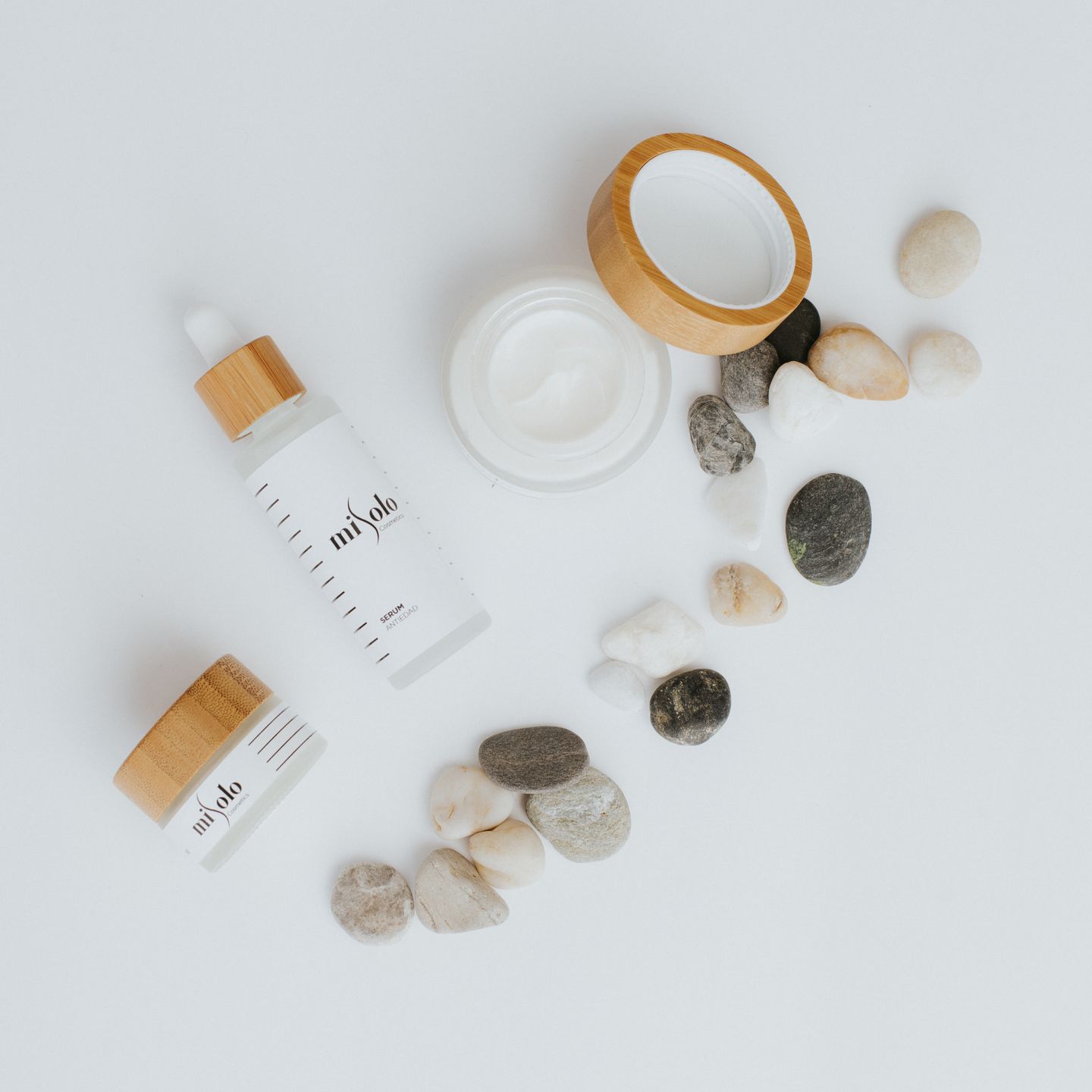
Something changed in the beauty aisle around 2022. The most interesting new brands were suddenly the quietest ones. No bold declarations of efficacy. No rainbow palettes competing for the loudest presence. Just calm, deliberate space — and an expectation that the consumer would lean in to find out more.
This wasn't minimalism in the reductive, stripped-of-ideas sense. It was minimalism as confidence — the visual equivalent of a person who doesn't need to raise their voice to command the room. And in a category where most brands have historically competed through visual volume, it felt revolutionary.
The saturation paradox
The beauty industry has never produced more brands. Between 2020 and 2024, the number of independent beauty brands launching globally grew by an estimated 340%. The DTC model democratised brand creation, and every founder with a good formula could put a product on a Shopify store within weeks.
The result was a paradox: infinite choice producing profound exhaustion. Consumers, overwhelmed by abundance, began to do something counterintuitive — they started gravitating towards the brands that demanded the least from them, visually. Brands that felt like a relief from the noise, not a contribution to it.
"In a saturated market, restraint is the most powerful form of differentiation available to a beauty brand."
This is the saturation paradox: the more crowded the shelf, the more effective emptiness becomes. A brand that is 80% white space on a shelf of 100% print reads as extraordinary — not because it has less to say, but because it has the confidence to say less.
What minimalism actually means in 2025
It's worth being precise here, because "minimalist" has become one of the most overused and least well-understood words in beauty branding. A brand can be visually spare and strategically vacant. Or it can be visually spare and deeply intentional. These are not the same thing.
The minimalism that is winning in 2025 is the second kind. It is characterised not by what has been removed but by what has been distilled. Every remaining element — the typeface, the weight of a border, the temperature of a white, the texture of a paper stock — carries more weight precisely because it stands alone.
Three principles driving the shift
Having worked with over 40 beauty brands in the past three years that have made this transition — consciously or by instinct — we've identified three underlying principles that seem to characterise the most successful examples.
1. Ingredient confidence replaces ingredient claims
The era of the ingredient callout panel — where brands plastered every active in 18pt bold across their front label — is ending. Brands with genuine formulation confidence are stepping back from the hard sell. If your product contains 2% retinol and it works, you don't need to scream about it. You let the result speak.
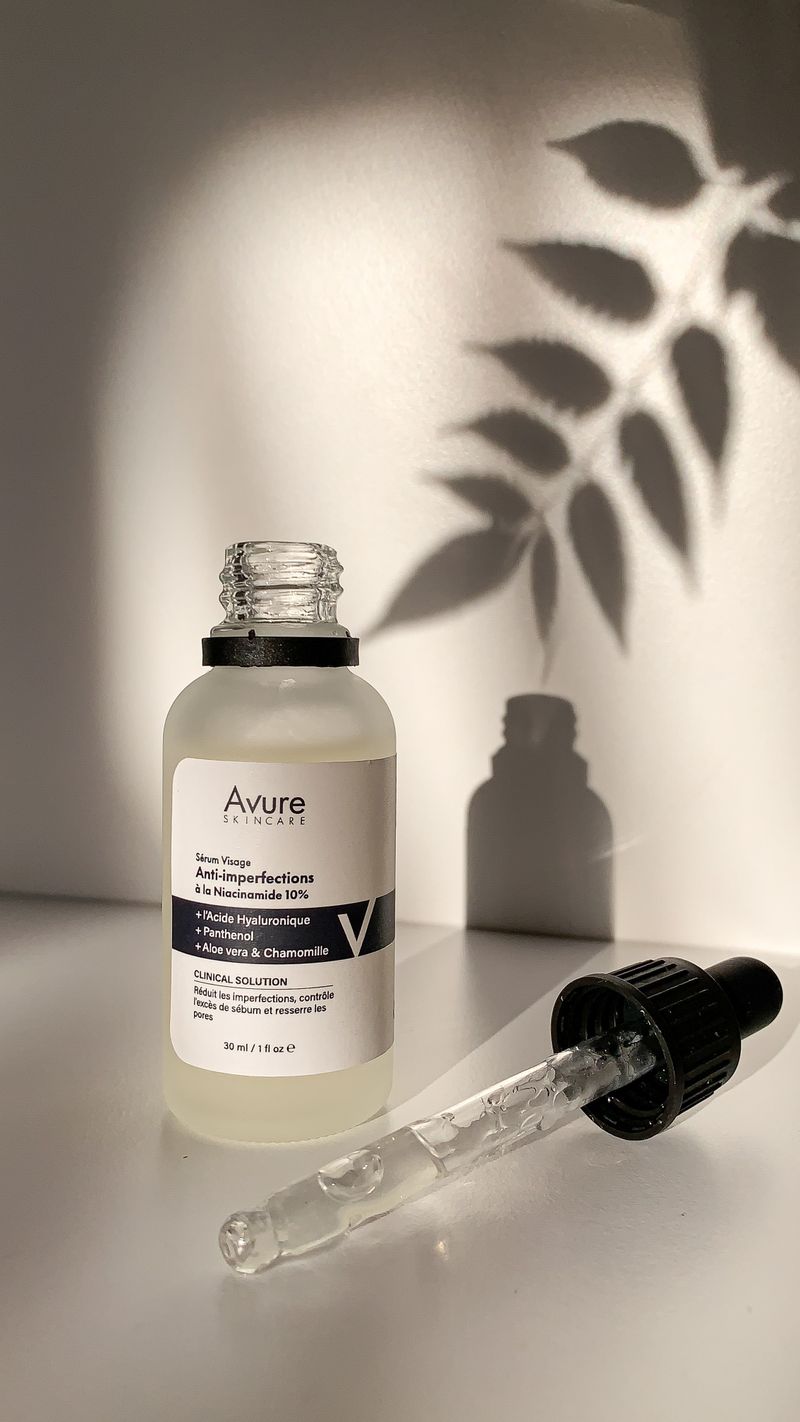
This shift is particularly visible in the serums category, where the brands growing fastest are often the ones whose packaging gives the least away. They are betting on earned discovery over claimed authority — and consumers are rewarding them for it.
2. Tactility compensates for visual restraint
When a brand reduces its visual complexity, something else has to carry the sensory load. In the most sophisticated minimal beauty brands, that something is tactility. Cold-press paper stocks. Debossed logotypes without ink fill. Glass primary components with deliberate weight. Matte-on-gloss print finishes that reward running a finger across the surface.
This is one of the most important lessons for founders considering a move toward minimalism: stripping back visually without investing in material quality produces not luxury but cheapness. The material surface is where the brand's investment has to go.
3. Digital restraint reflects physical restraint
The best minimal beauty brands are those where the website feels like an extension of the packaging — not a different creative decision made by a different team at a different time. The same spatial confidence. The same willingness to let an image breathe. The same refusal to populate every pixel with a claim, a badge, or an incentive.
Achieving this requires aligning brand and digital creative work from the start — which is one of the reasons we've increasingly recommended that our brand identity and digital design engagements happen in parallel rather than sequentially.
Is minimalism right for your brand?
Not necessarily. Minimalism is a strategy, not a fashion. It is most effective for brands that have genuine product confidence, a clear and well-defined target consumer, and a price point that allows the investment in material quality that minimalist packaging requires to work.
For brands in crowded value-tier categories, or for brands whose consumer discovery journey is primarily through social media rather than shelf or editorial — other visual strategies may serve better.
But for beauty founders building for the long term — for brands that aspire to be timeless rather than trending — the case for restraint has never been stronger.